Training for Adventure Riding in the Winter
Many of us don’t get to ride year-round. Winter turns into months of watching my adventure riding videos, scrolling through social media, and thinking, “Yeah… I’m doing that.” But the truth is, most of us aren’t.
When spring arrives, we dust off our gear, roll the bike out of the garage, and head straight for the trails, believing our winter spend “studying” will pay off. Unfortunately, this is also when injuries spike, and every year I receive emails from riders who can’t attend training because they got hurt before their class starts.
Most of those injuries happened while practicing. The good news? This is mostly preventable.
The Foundation Nobody Wants to Hear About
The single most important thing you can do to reduce injury risk is also the thing almost nobody wants to hear: Eat better and go to the gym!
I don’t necessarily mean you need to go to the gym to look great on the beach, or build muscles to show off to your friends. But you need to build and maintain those muscles and that mobility required to ride well and to avoid injury. Focus on your core and yes, I do mean ab work! Work on your legs with natural movements like box jumps or lunges. Do grip strength exercises like bar hangs to keep your fingers strong for the clutch and brake levers. You don’t need biceps and a six pack. You don’t even have to be lean, but you do need to be healthy, strong, and flexible.
This is where real injury prevention happens. It also dramatically shortens recovery time if you do get hurt because we are not in the bounce-back-overnight age bracket anymore. An injury can now sideline you for months, not days or weeks. Even worse, bad habits can set in during downtime and carry over into the next season.
Don't just watch MY videos
Here’s the thing about practicing riding skills you haven’t formally learned: you may just be reinforcing poor habits, which can make learning new techniques more difficult or, in the worse case scenario, create an injury that prevents you from attending formal training and learning the correct way to do things, which often involves minute details few people notice.
This is the primary reason why I do my training courses as early in the season as possible. If riders would show up, I would prefer to start even earlier, when the weather is still cold, rainy, and the trails are slick.
TRAIN THE MIND
Fear is a big part of the game when improving your riding skills off-road. What matters, however, is how you respond to it. The goal I want you to have over the winter is to train yourself to stay relaxed under pressure; to build that cognitive bridge between uncontrolled fear and controlled fear. This is the number one issue riders have that keeps them from progressing and is arguably the number one factor in nearly all accidents that lead to injuries (street riding included). The second is the Dunning-Kruger effect, but I’ll leave you to look that one up.
One way to train the mind is to watch my videos, take notes, and embed the key takeaways in your mind so that when you train with me or go out to polish the skills you already know, your mind is a step ahead of your actions. Success really is in the details. Also, remember that good technique makes bad video and bad technique makes entertaining video. If you think a video of you riding is exciting, you might be doing something wrong – unless you are Pol Tarres.
However, when I when I offer advice on how to prepare for the riding season, few riders follow my advice because it’s not glorious and often does not involve the motorcycle.
CHALLENGE A DEEP-SEATED FEAR
Heights (if it scares you)
Go to a ropes course or local rock climbing gym. What I’m looking for is your body to scream “you’re going to die!” but your brain knows you are safe. Knowing cognitively that you are safe means that if you must push forward or you’re letting unreasonable fear take control.
Learning to push through fear trains your body to remain relaxed while in a state of fear. The goal is not to overcome fear, but to remain in control and do your best to stay relaxed when experiencing fear. This mental exercise pays huge dividends when you come into a corner too fast, or when things get sketchy on the trail. You will have developed the skills to face that fear and stay relaxed.
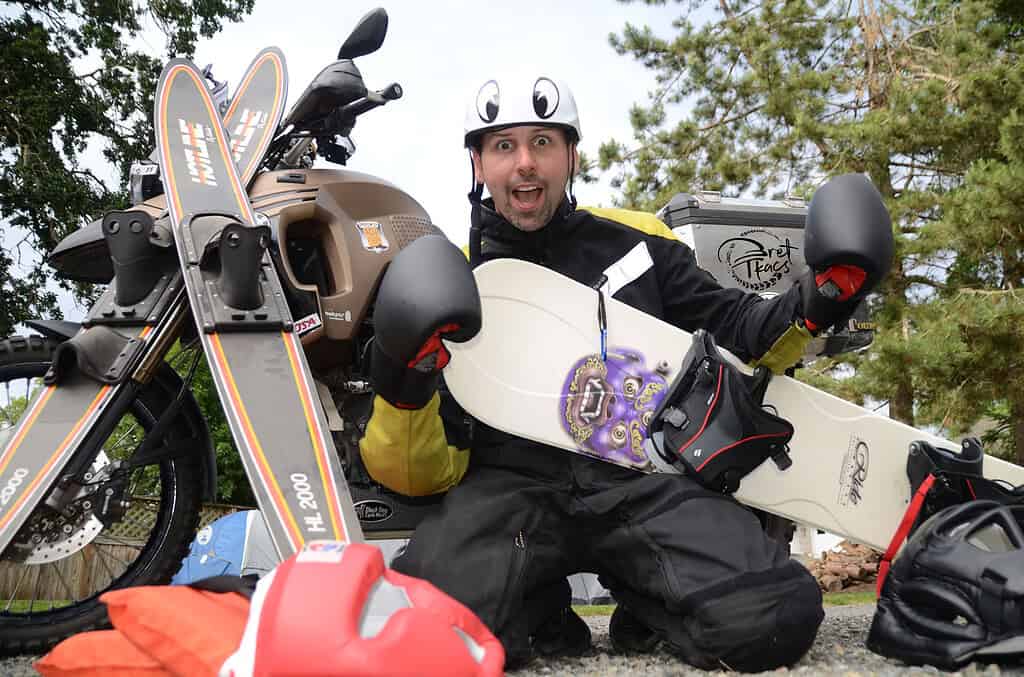
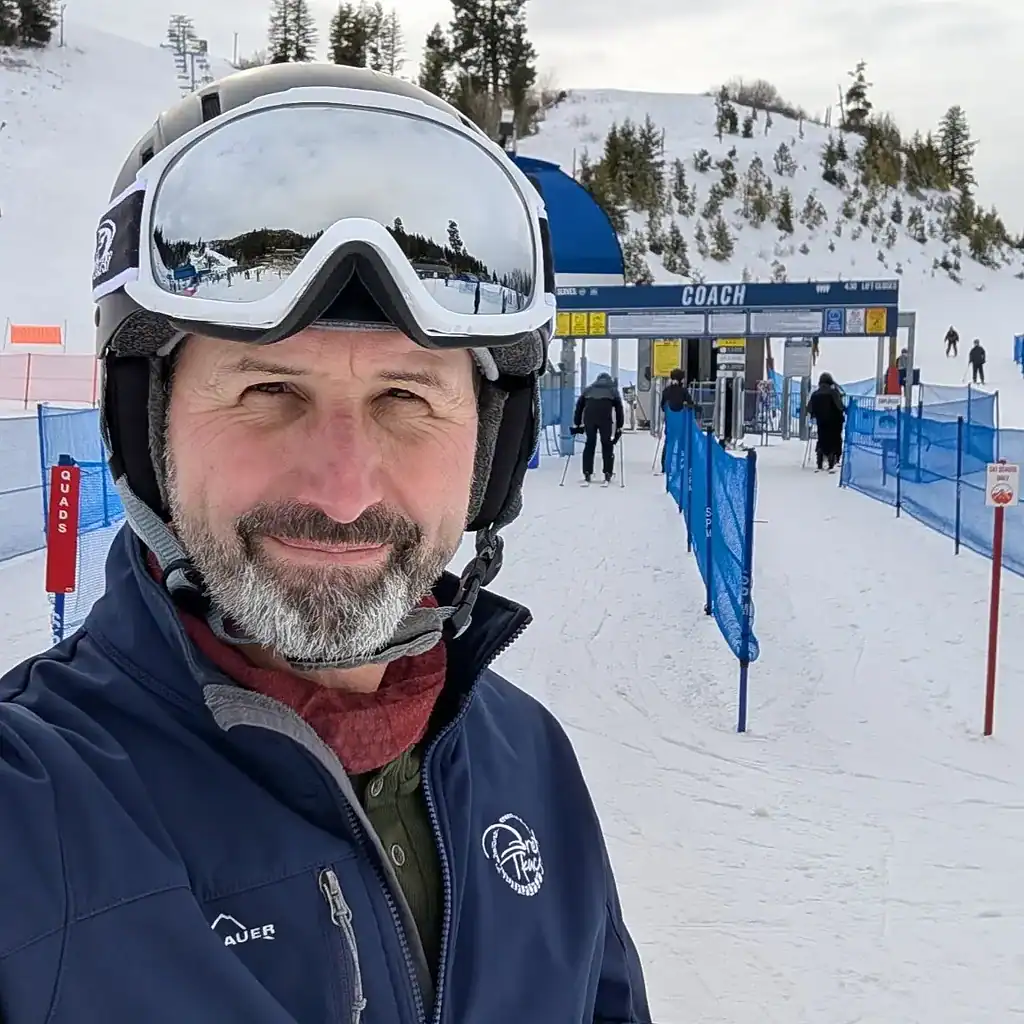
Snowboarding or Skiing
Both force you to commit on a steep, downhill slope with no brakes. If you stiffen up, fail to look ahead, or hesitate, you’ll find yourself turning into a snowball. It’s a (somewhat) low-consequence way to practice relaxing through fear and trusting your body to move naturally, even when every instinct says otherwise. Of course, I’m asking you to push past your comfort zone. If you’re comfortable on blue runs, go to the black diamond. If a black diamond doesn’t cause fear, then do a double black or add tricks to your downhill routine. You must push to stay on the edge of your comfort zone because this is all about training the mind.
High-Performance Track School
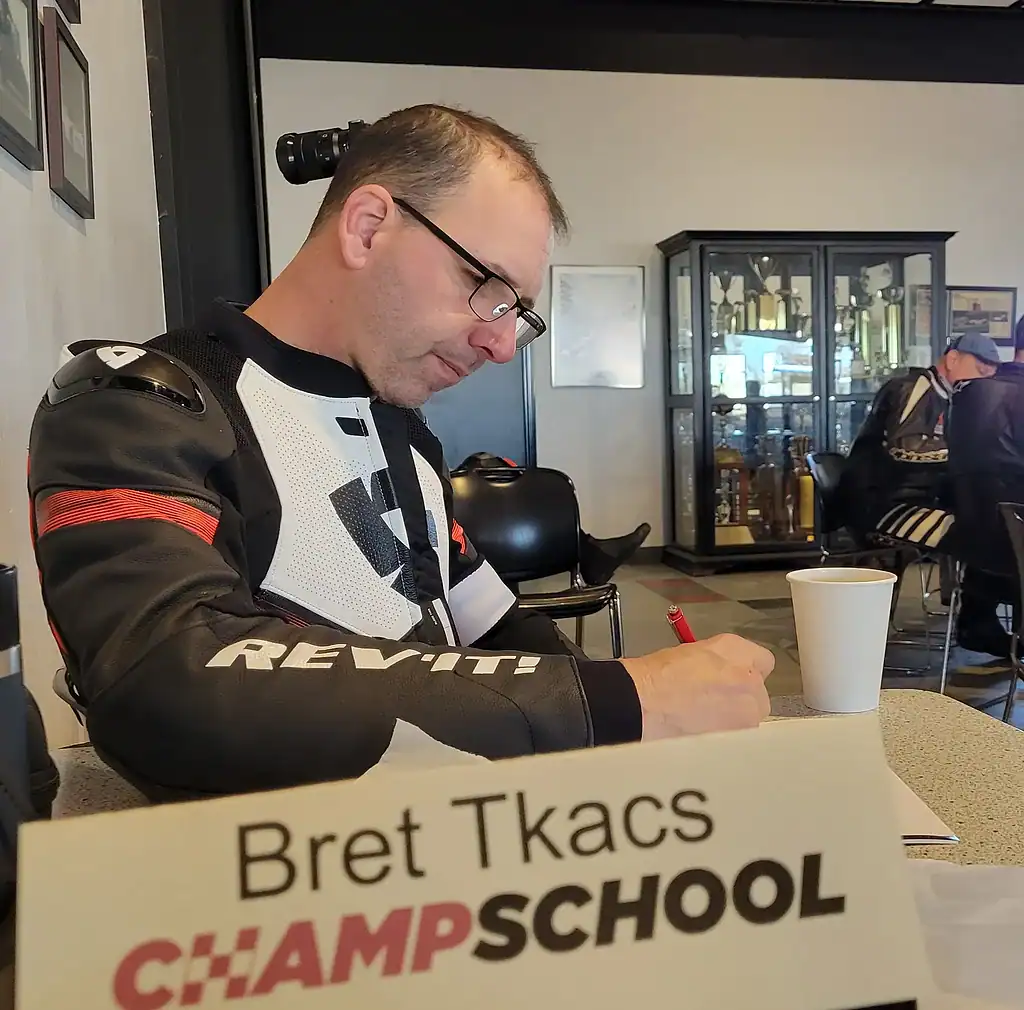
Take an advanced training course or the Yamaha Champ School (a favorite of mine). These environments allow you to lean the bike past your comfort zone, and learn how to analyze your body’s reactions in real time without the risk of death or imprisonment found on public roads. If you attend during the off-season, this gives you the added challenge of handling cold or slick surfaces. The added risk brought by foul weather gives you the highest value. The goal isn’t to terrify yourself; it’s to become comfortable around being uncomfortable.
Progress comes by way of micro-steps. One day you’ll look back and realize how far you’ve come; not because you pushed too hard and crashed, but because you built confidence, layer by layer.
THE TAKEAWAY
Don’t go out on loose gravel and try to toughen yourself up. That’s a great way to get hurt. Instead, seek controlled discomfort; those activities that safely train your mind and body to stay loose and focused under stress. Whether it’s on a snowboard, a high-ropes course, or astride a 200hp track bike, every session builds the mental muscle you’ll rely on when the ADV season starts again.
Progress comes by way of micro-steps. One day you’ll look back and realize how far you’ve come; not because you pushed too hard and crashed, but because you built confidence, layer by layer.
The goal is simple: stay safe, stay sharp, and roll into spring better than ever.